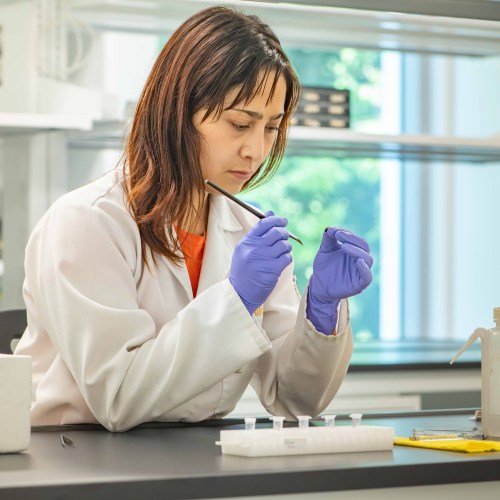
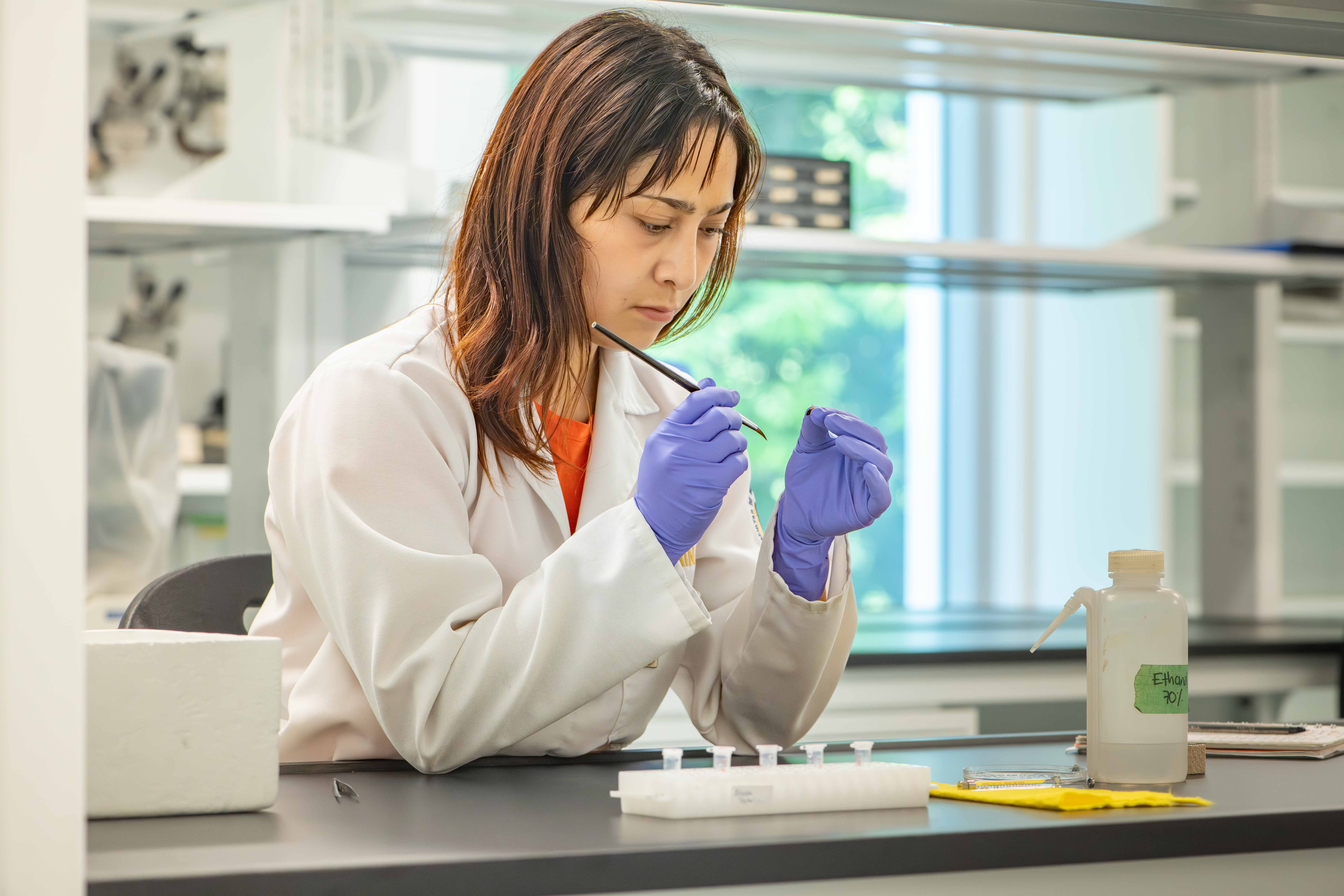
Valeria Bernal Pueblita, a veterinary medicine and animal science student from the National Autonomous University of Mexico, is currently completing her professional internship at the University of Guelph’s Honey Bee Research Centre (HBRC). Her research focuses on controlling Varroa destructor mites, one of the biggest global threats to honey bees, by exploring the potential role of a haemolymph-residing bacterium. Passionate about bee health and its vital role in ecological balance, Valeria has found her time at HBRC both inspiring and educational. This internship has solidified her goal to pursue future studies in bee conservation and sustainable apiculture. Valeria’s previous beekeeping experience in Mexico was with Africanized bees, so she really appreciates our gentle Buckfast bees!

We also recently completed a study examining how nutritional additives can boost colony health and winter survival. The team tested protein supplements enhanced with a vitamin A precursor, combined with natural compounds on 64 colonies throughout 2024. Results were impressive for colonies receiving both vitamin and a natural compound, which showed larger adult bee populations compared to control groups. These enhanced colonies also demonstrated significantly stronger immune systems with higher haemocyte concentrations and better population retention through fall. Most notably, a treatment group had the lowest winter mortality rate, with surviving colonies maintaining larger spring populations. This research suggests that supplementing protein patties with specific nutraceuticals could be a valuable tool for beekeepers looking to strengthen their colonies, particularly during critical periods like early spring buildup and winter preparation.